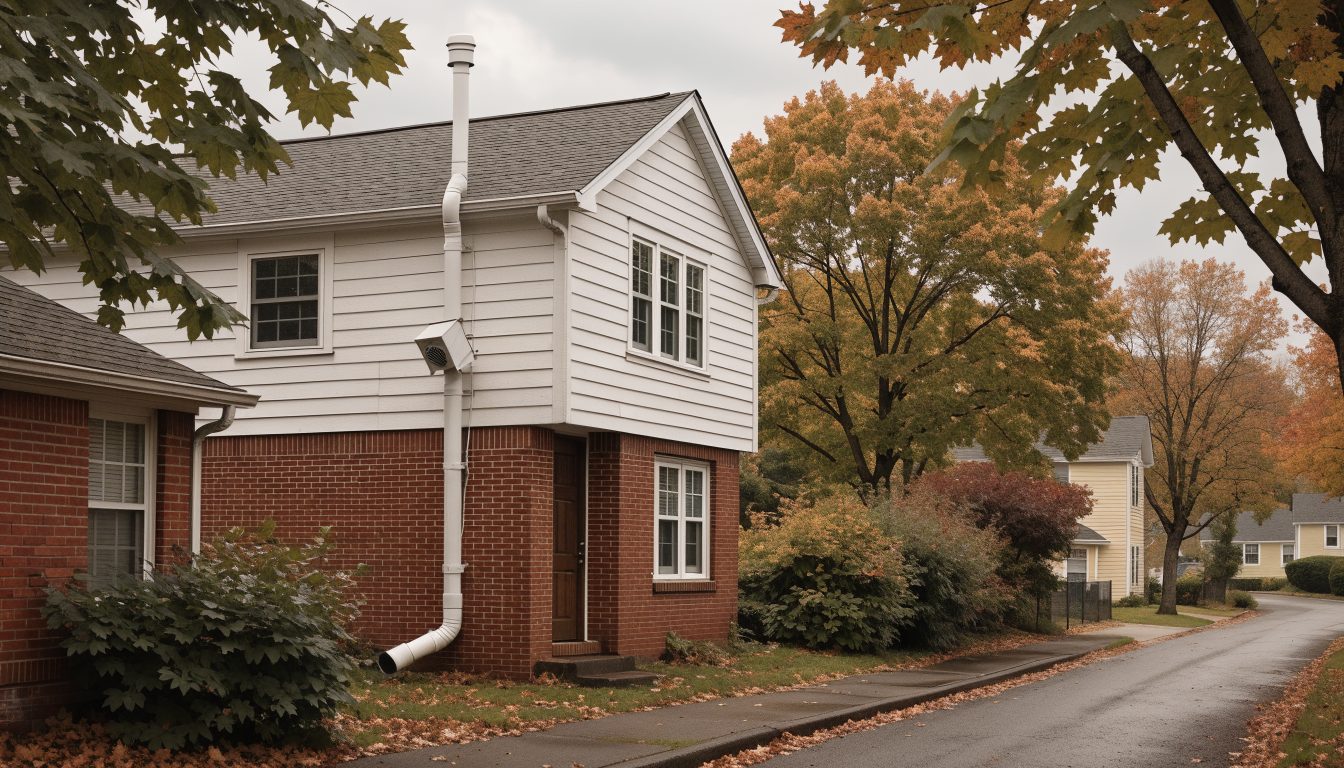
York County, Pennsylvania
Radon Mitigation in York, PA
Tell us what your radon test found and we will connect you with a certified mitigation professional.
York County, Pennsylvania
Tell us what your radon test found and we will connect you with a certified mitigation professional.
If a radon test has come back elevated, the next question is usually simple: what do we do now? York County Radon Mitigation helps homeowners throughout York, PA and the surrounding county understand the next step and put an appropriate radon reduction plan in place. We work with existing homes, crawl spaces, real estate transactions, aging mitigation systems, and properties that need follow-up testing after mitigation.
Radon problems are handled property by property. Foundation type, basement layout, crawl spaces, additions, existing piping, and the way air moves beneath the home can all affect the approach. We focus on building a system around the actual conditions instead of treating every house the same.
York County Radon Mitigation is a local referral service, not a mitigation contractor. We do not install systems ourselves. What we do is connect York County homeowners with radon professionals certified by the Pennsylvania Department of Environmental Protection, and help you understand what you are looking at before anyone quotes you a price.
That distinction matters. Pennsylvania certifies radon testers and mitigators, and the DEP keeps a public directory of them. Finding one is not the hard part. Knowing what to ask, what your reading actually means, and whether a quote is sized to your foundation is the hard part. Tell us what your test showed and how your house is built, and we will point you to someone certified who works in your part of the county.
More about us
Our work covers the main situations York County property owners face, including elevated test results, crawl-space conditions, real estate deadlines, existing system problems, and verification after mitigation.
Radon reduction solutions designed around crawl spaces and mixed-foundation York County homes.
Learn more →Radon testing support for York County buyers, sellers, and property transactions.
Learn more →Troubleshooting, fan replacement, and updates for existing radon mitigation systems.
Learn more →Follow-up testing to measure radon levels after a mitigation system is operating.
Learn more →A straightforward path from radon testing through mitigation and follow-up verification.
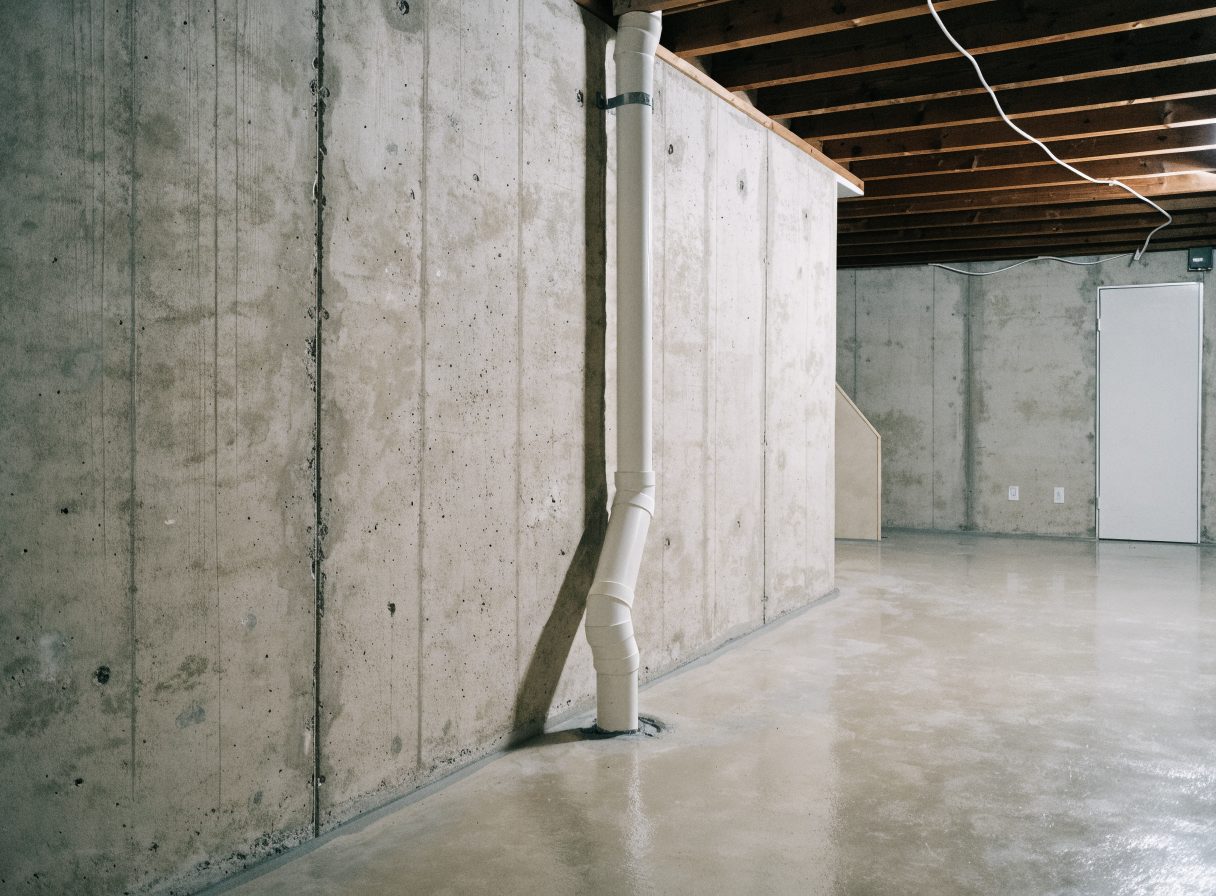
Learn more →Active sub-slab systems designed to reduce radon entry through basement and slab foundations.
Learn more →We serve communities across York County, including York, Hanover, Red Lion, Dover, Dallastown, Spring Grove, Wrightsville, and surrounding townships and neighborhoods. Because this is a service-area business, we travel to the property rather than operating staffed offices in each community.
Whether the home has a basement, slab, crawl space, or a combination of foundation types, the first step is understanding the property and the radon concern. Contact us to discuss service in your part of York County.
See all service areas
We look at foundation conditions and the reason for the service before recommending an approach.
Radon work can sound technical. We explain what the system is intended to do and what should happen after installation.
We can help with the process from initial testing and mitigation through post-mitigation verification.
A failed fan or aging system does not always mean starting over. We assess the existing setup before discussing repair or replacement.
Our work is centered on York County homes and the foundation configurations commonly encountered throughout the area.
Start by reviewing the test result, test conditions, and where the test was placed. If mitigation is appropriate, the property can then be evaluated for a radon reduction system suited to its foundation and layout.
Yes. Sub-slab depressurization is a common approach for homes with slab areas, including many homes with basements. The exact system design depends on the structure and conditions beneath the slab.
Crawl spaces can require a different approach than a conventional basement slab. The crawl area, ground surface, connection to the rest of the house, and existing moisture measures should be evaluated when planning mitigation.
Yes, follow-up testing is important because it measures radon after the mitigation system is operating. A post-mitigation test provides evidence of how the home is performing under the new conditions.
Have a radon result or an existing system that needs attention? Tell us about the property and we can discuss the next step.
Free — no obligations